Reconciling drone-derived tonnage against weighbridge totals
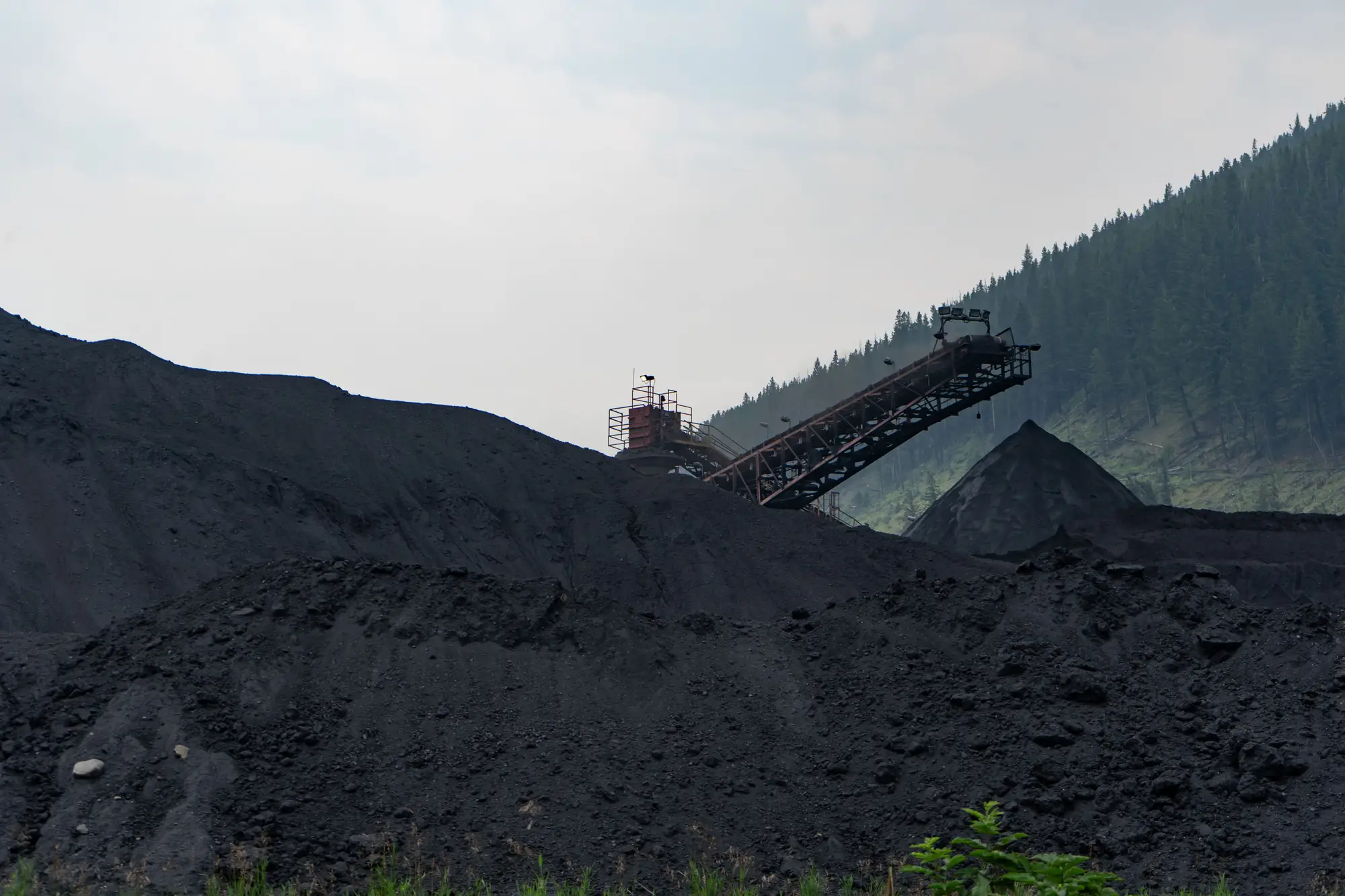
If you've ever sat in a month-end meeting with a stockpile figure from the survey crew in one column and a shipped tonnage figure from the scale house in the other, you know the two numbers almost never match without a few phone calls first to sort out why. That gap is normal. The question is whether you can explain it, and whether the explanation survives an auditor asking you to walk through it line by line.
Why a surveyed volume and a weighbridge total rarely match exactly
A weighbridge measures mass as material crosses it, truck by truck, at whatever moisture content the load happens to carry that day. A stockpile survey measures volume, and volume only becomes tonnage once you multiply by a density figure that someone, somewhere, derived from a handful of samples and applied to the whole pile. Those are two different measurement problems wearing the same unit.
Start with the obvious culprits before you assume the pile itself is wrong:
- Moisture swing. Wet material weighs more per cubic metre than dry material of the same type. A pile that's been rained on since the last survey will out-weigh its volume estimate on paper, not because the volume is wrong but because the density assumption baked into the conversion is now stale.
- Density assumption drift. Bulk density gets set once, often early in a project, and then gets reused survey after survey. If the ore blend has changed or the base of the pile has compacted under its own weight since that figure was set, the number no longer reflects what's on the pad, and nobody revisits it until the gap shows up in the reconciliation.
- Timing mismatch. A pile surveyed Tuesday morning and a weighbridge total pulled for the Monday-to-Sunday week aren't describing the same seven days of material movement. Trucks loaded off the pile between the last flight and the cutoff on the report are in the scale total but not in the volume.
- Scale calibration. Weighbridges drift too. A certification that lapsed, a load cell that's reading heavy, or a zero point that's crept, and now the "ground truth" side of the comparison isn't as true as everyone assumes.
- Survey method noise. A hand survey that only captures spot elevations on a pile with an irregular crest, or GPS rover points taken on a slumping toe that shifted between the walk and the report, will carry its own error into the volume number before density even enters the picture.
Building a reconciliation that holds up to audit
A workable reconciliation is a short chain of evidence an auditor can follow: survey date and method, the density figure used and where it came from, the weighbridge period it's being checked against, and a note on anything unusual in between, like a wet week or a known calibration event.
Keep the density assumption visible as its own line, not folded into the tonnage figure. When the gap between surveyed tonnage and shipped tonnage is small and consistent, it's usually a density or timing artifact, and you can note it and move on. When it grows pile over pile, or shows up on one material but not another, that's worth flagging before the next inventory count, not explaining away after it.
The other thing that helps is simply having more data points to check against each other. A single survey a quarter gives you one number to defend. A standing weekly surface gives you a trend line, and a trend line makes a one-off scale house discrepancy obvious instead of buried in a single annual figure.
That's the part of this job that eats time: getting a crew and a rover onto a pile often enough to actually build that trend, especially on material that's actively being drawn down and might not be safe to walk. Stockpile Volume runs that part as a weekly flight, drone or crewed aircraft, and hands back a per-pile volume figure plus the surface model behind it, so the reconciliation has a consistent, repeatable number on the survey side every week instead of once a quarter.
If the scale house and the survey team are still trading spreadsheets to find last month's gap, it might be worth seeing what a weekly surveyed baseline does to that conversation.