Stockpile survey cadence: how often to resurvey between shipments
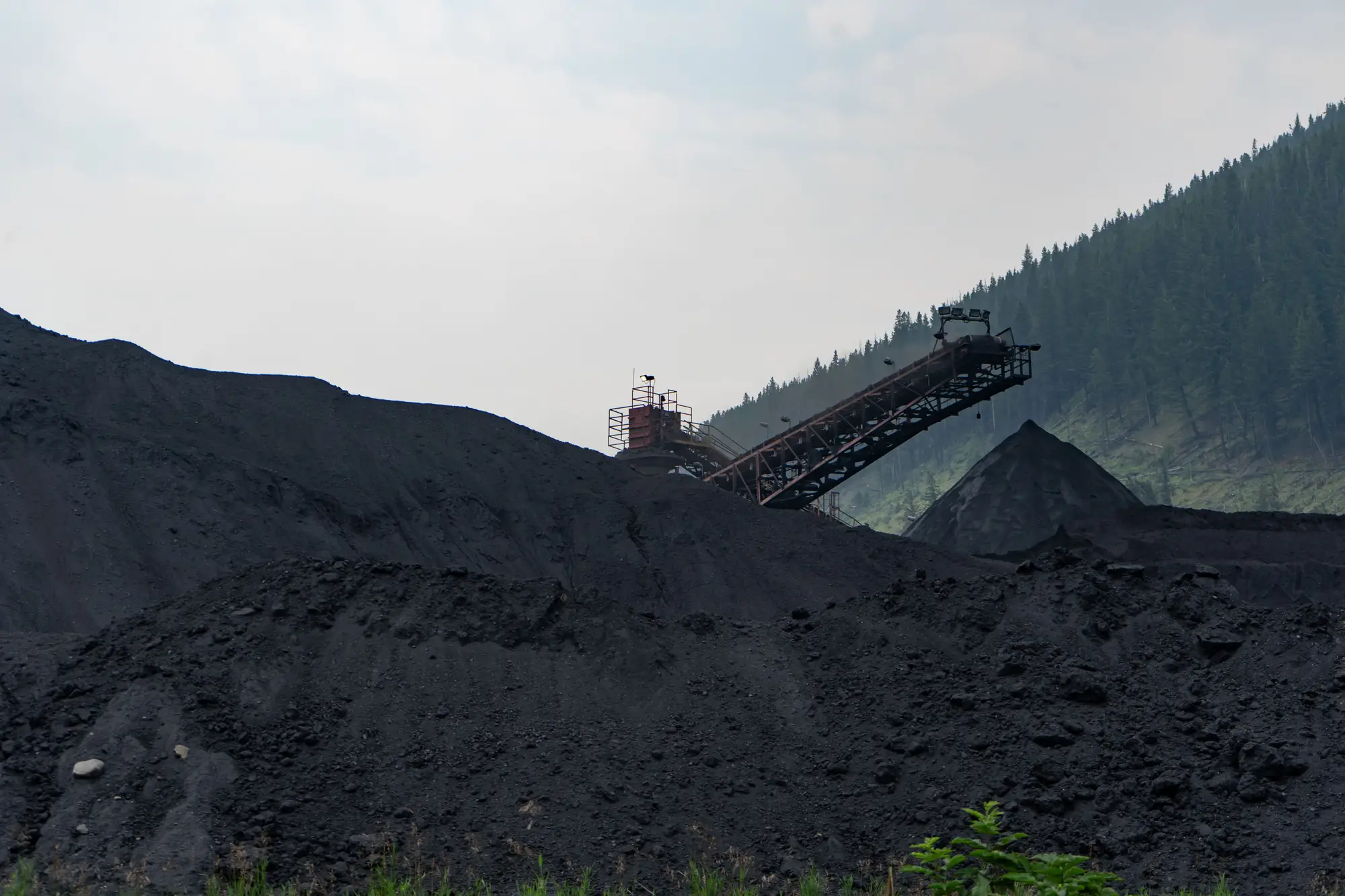
"How often" is the wrong first question. The right one is: how fast is material moving across that pile, and what's riding on the number when it doesn't match the scale house.
A stockpile that gets one load added a week and sits otherwise untouched doesn't need the same attention as a blending pile getting dozed, pushed, and reclaimed daily. Treat both the same and you're either wasting survey crew hours on a pile that hasn't changed, or finding out at month-end that three weeks of unrecorded draw-down has turned into a reconciliation headache nobody can explain.
What actually drives the cadence
A few things push the interval shorter, regardless of what a generic schedule says:
- Throughput. A pile turning over multiple times a month between inbound tonnage and outbound shipments needs checking closer to weekly. A dormant stockpile sitting as buffer stock can go longer between surveys without much risk.
- Shipment timing. If a vessel or train is loading off a pile this week, you want a figure from before the loadout and one after, not a 45-day-old number you're trying to stretch across three shipments.
- Material behavior. Coal piles that compact, degrade, or self-heat shift volume in ways a static schedule won't catch. Fine ore and aggregate are more forgiving, but wind and rain still move material at the edges and toe of the pile between surveys.
- Reconciliation deadlines. If the mine's monthly tonnage reconciliation has to tie book inventory to physical stock within a tolerance, you want enough survey points through the month to isolate where a gap opened up, not just a single snapshot at close.
None of these are things a calendar entry captures. A site running high-turnover blending piles next to a slow-moving low-grade stockpile legitimately needs two different cadences running at the same time.
A working rule of thumb
For stockpiles with regular shipment activity, weekly is the interval most operations land on once they've tried longer gaps and gotten burned by them. It's tight enough to catch a dozer push or a slump before it compounds into an unexplained variance, and it's the natural rhythm that lines up with weekly production and shipment reporting anyway.
Monthly works for genuinely static reserve stock. Anything shipping or receiving on a weekly basis and surveyed monthly is asking for a reconciliation gap that takes longer to chase down than the survey itself would have taken.
The piles that get missed are usually the ones treated as "stable" until they aren't: a blending pad that quietly started turning over faster because of a schedule change nobody flagged to the survey crew.
Where the walk-the-pile method pushes cadence the wrong way
The practical limit on survey frequency is rarely the math. It's the RTK rover walk. Putting a crew on top of an active stockpile to shoot grid points eats the better part of a day, and it puts a person on material that might be slumping, degrading, or still settling from the last dozer pass. On a site running several active piles, that's a day of crew time per pile, which is exactly why cadence tends to slip from weekly to "whenever we get to it."
That's the piece that changes the math on cadence. A photogrammetric survey flown over the pile from a drone or crewed aircraft, differenced against ground control, gets you the same tonnage figure without a person walking unstable material, and without burning a full crew day per pile. Stockpile Volume runs that as a weekly flight, so the cadence question stops being a trade-off between safety, crew time, and how badly you need the number this week.
If your reconciliation keeps turning up gaps you can't trace back to a specific week, the fix usually isn't a tighter tolerance. It's a tighter interval between flights.