Field notes: the pile that slumped overnight and rewrote the weekly number
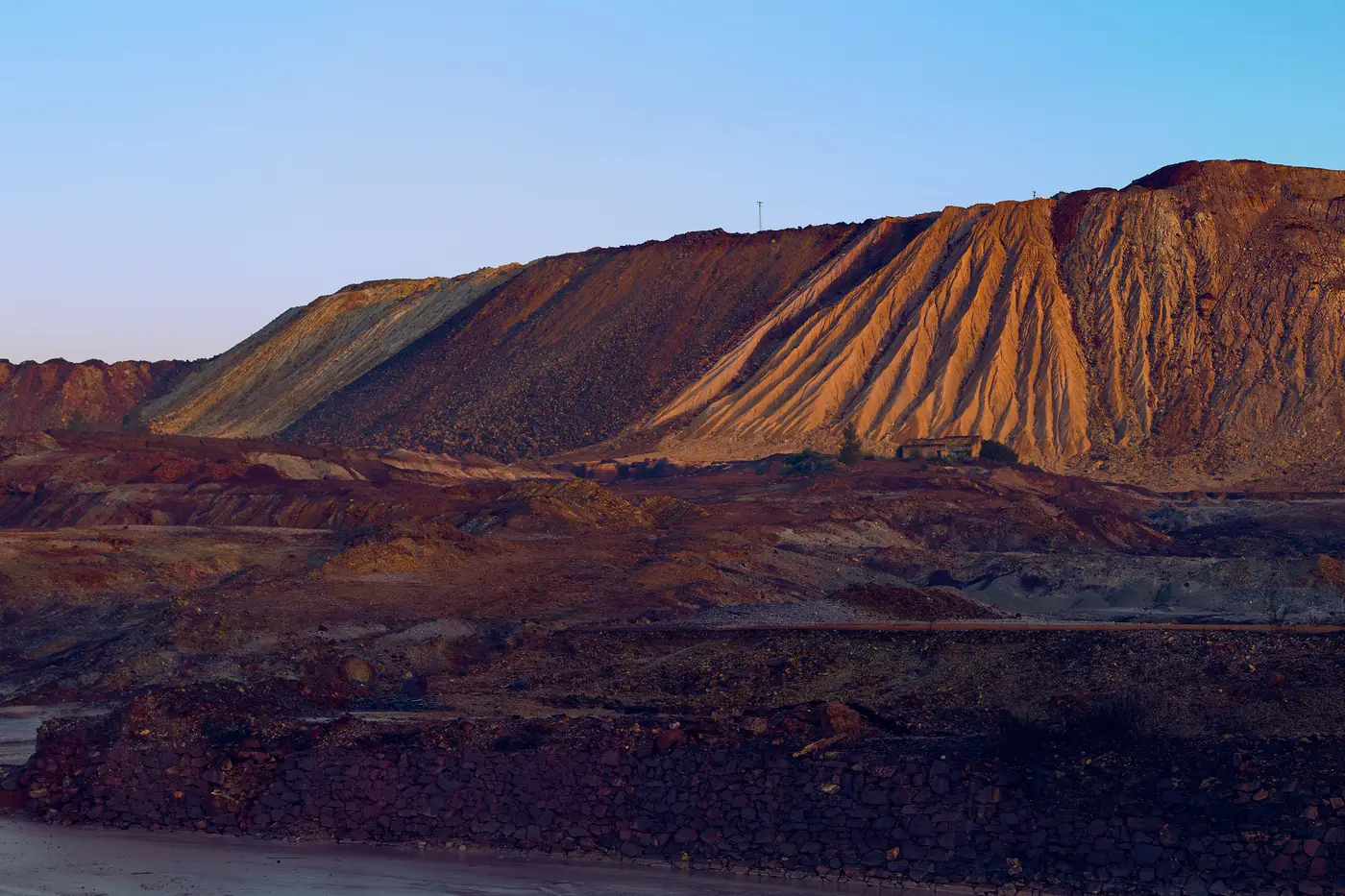
We'd flown the pile on Tuesday like every Tuesday. Clean surface, tidy toe line, the kind of dataset you don't think twice about. Wednesday night it rained the way it rains out there twice a year, hard and sideways for about four hours, and by Thursday morning the east face of the number three ore stack had let go. Not catastrophically. No one got hurt, nothing reached the haul road. But about eleven thousand tonnes of material had relocated itself from the upper bench to a long wet apron at the base, and the weekly tonnage number that was due to the mine manager by noon suddenly didn't match anything.
This is the part of the job nobody puts in the induction video. You can build the most disciplined survey program in the world and the pile still doesn't care. Moisture content changes, a loader operator pushes a bit too close to the crest, a frost lens lets go underneath, and overnight you've got a surface that looks nothing like your last control dataset. You find out from a flight, or from someone standing in the wrong spot, when it happens.
The old answer was to send someone up there. RTK rover, pole, the walk-the-pile round that eats most of a shift when you've got six or eight stacks to cover. Except the morning after a slump is exactly the morning you don't want a person walking that toe line. The material's saturated, it's still finding its angle of repose, and the surveyor who drew the short straw is now the variable nobody budgeted for. We've all seen the near-miss reports. Most of us have been close enough to one to remember it.
What resolved Thursday's number was a flight from two days prior to difference against, and a flight that afternoon to catch the new surface before the shift's reclaim activity ate further into it. The volume loss on the slumped face came out close to what the stacker/reclaimer logs implied for the week, which told us the material hadn't vanished, it had just moved and compacted differently than the model assumed. That's a very different conversation with the accountant than "we don't know, we'll get someone up there Monday."
The thing that's stuck with me since is how much of stockpile reconciliation is really about catching the pile between states. A weekly flight on a fixed day is fine for a stable stack. It's nearly useless for the week something happens, because by the time your scheduled Tuesday flight rolls around, the loader's already reshaped the evidence. The sites that handle this well are the ones that can get a second flight up on short notice without it turning into a production, because the data pipeline already exists and someone just has to point the drone at the right pile again.
That's really the argument for building the survey around repeat flights instead of repeat site visits in the first place. If the comparison is drone pass against drone pass, differenced against the same ground control every time, an unscheduled flight after a slump is just another dataset in the stack, no rover, no prayer. Stockpile Volume runs on exactly that logic: weekly surfaces, per-pile tonnage, nobody standing on material that might decide to move again.
The slump got written up, the weekly number got a footnote, and the east face got regraded by Friday. Routine, as these things go. But it's the kind of week that tells you whether your reconciliation process survives contact with an actual pile, or just survives the weeks when nothing happens. If you want to see what that reconciliation looks like when it's built around flights instead of foot traffic, the stockpile volume workflow is worth a look.