Field notes: the month the coal yard outgrew the scale house's count
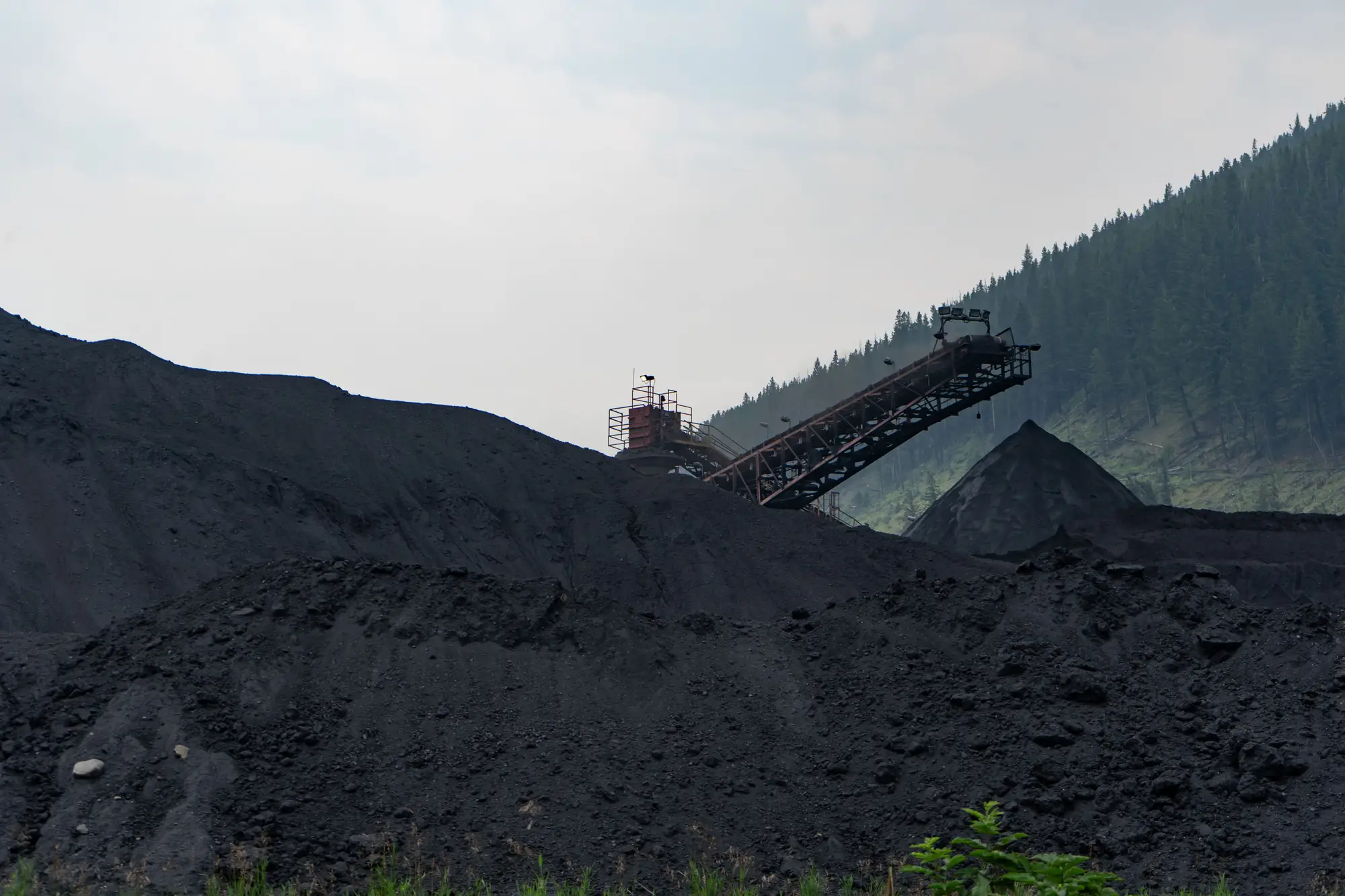
The discrepancy showed up the way these things usually do: as a rounding error nobody wanted to own.
Scale house inventory had the number four pile at just under 38,000 tons, carried forward from the last physical survey plus every inbound and outbound weight since. Standard book-and-shovel accounting, the kind that's been good enough at this yard for twenty years. Then the quarterly reconciliation came back with a topo-derived volume that put the pile closer to 44,000 tons, and the plant controller wanted to know which number was the lie.
Neither, as it turned out. Both were right for what they measured, and both were wrong about what had happened to the pile in between.
The scale house number is a ledger. It trusts that every truck crossing the scale is weighed correctly, that nothing blows off the top in a wind event, that the reclaim tunnel isn't quietly drawing down material faster than the belt scale logs it, and that compaction from six weeks of front-loader traffic doesn't change the tons-per-cubic-yard conversion anyone used when they last measured density. Every one of those assumptions is reasonable on its own. Stack them over a month of active stacking and reclaiming on a coal yard running three shifts, and the ledger drifts.
The topo survey, when we finally got one, told a different story: the pile hadn't just grown, it had grown unevenly. The south face had sloughed and regraded itself twice that month from loader traffic, exactly the kind of geometry change a tonnage ledger has no way of seeing. The working face was steeper than the angle of repose the original density factor assumed, which means the conversion from volume to tons was off before anyone added a single truckload.
This is the part that doesn't make it into the incident report: the surveyor who'd normally walk that pile with an RTK rover to true it up had been told, reasonably, not to. The working face had reactivated twice in three weeks and nobody wanted a crew on a slope that unstable just to confirm a number the scale house already half-trusted. So the pile went uncorrected for longer than it should have, and the gap between the ledger and reality kept opening.
None of this is a scale house problem or a surveying problem. It's a cadence problem. A physical survey that happens once a quarter, or whenever someone can justify sending a crew up an active working face, is answering a question that's already changed by the time the answer comes back. A coal yard with that much throughput doesn't hold still for a month, and the gap between surveys is exactly where the drift accumulates until it's a controller's problem instead of a surveyor's.
Closing the gap at this site came down to getting a current surface on the pile often enough that geometry changes showed up before they compounded. Once the yard started pulling a weekly surface model instead of a quarterly one, the reconciliation stopped being an annual argument and became a line item nobody blinked at. That's the whole case for keeping tonnage reconciliation on a schedule that matches how fast the pile actually moves, which is the specific problem Stockpile Volume is built around: a surface over the pile from drone or aircraft flights, differenced against ground control for a volume figure, without putting a rover on a working face that's still finding its angle of repose.
The scale house wasn't wrong. It just couldn't see the slope. Keep the survey current enough and it won't need to guess at it.
If your pile's been running ahead of the ledger too, it might be worth checking what a current surface says about it.